
Conference Co-Chairs: Danielle Stanisic (Griffith) and Swaid Abdullah (UQ).
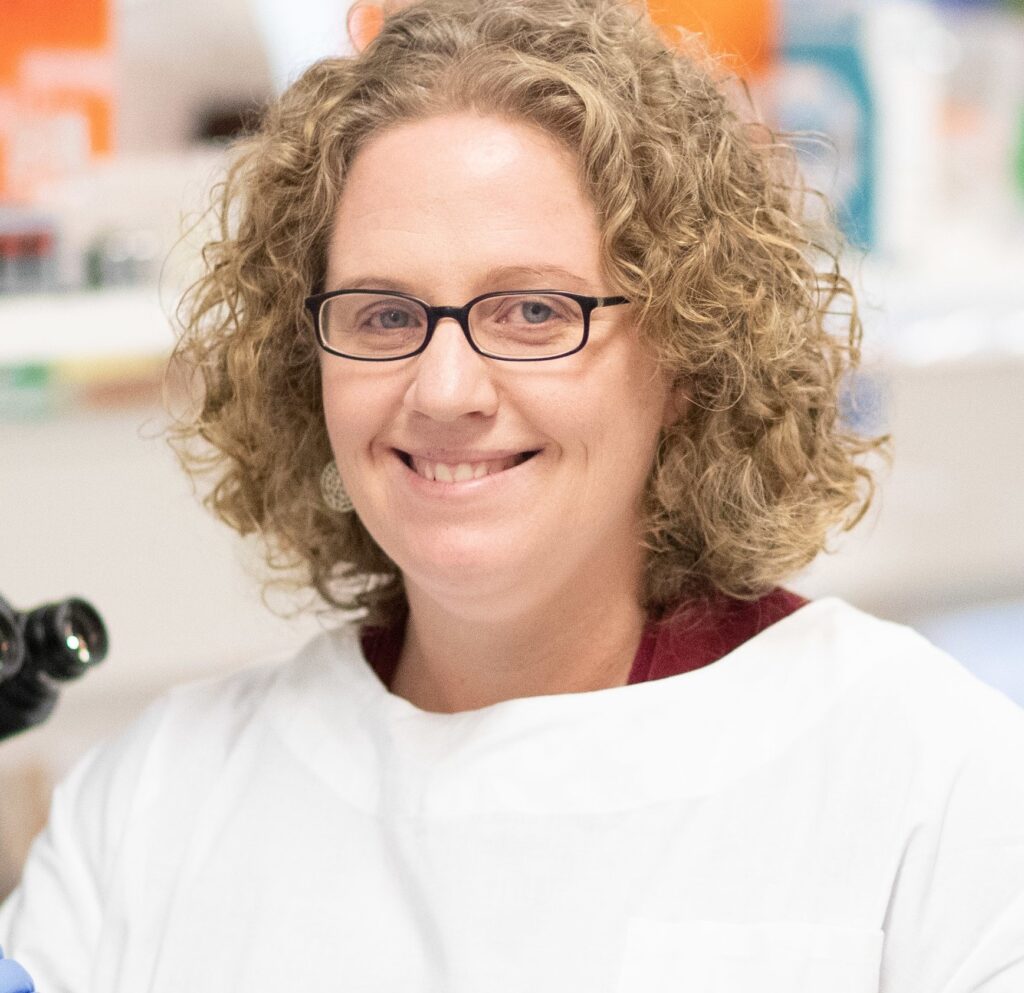
A/Prof Danielle Stanisic, Griffith University (click for bio)
A/Prof Danielle Stanisic is a Research Leader and Principal Research Fellow at the Institute for Biomedicine and Glycomics, Griffith University, where she leads the “Immunovax” research group, dedicated to vaccine development. An immunoparasitologist with more than 20 years of experience in pre-clinical/clinical malaria immunology and vaccine development, she has worked on malaria-focused projects in Brisbane, Melbourne, New York and Papua New Guinea. She currently co-leads the Malaria Vaccine Program at the Institute, with her research centred on the pre-clinical evaluation of whole-parasite blood-stage malaria vaccine candidates and their transition into clinical testing. This work involves applying pre-clinical malaria models to evaluate vaccine immunogenicity and efficacy, and developing platforms that facilitate GMP-compliant vaccine manufacture and comprehensive evaluation. Beyond malaria, she is interested in applying vaccine platforms developed for malaria to other pathogens of medical and veterinary importance, such as Babesia and Dengue virus, including the development and assessment of human and bovine babesiosis vaccines. She also co-leads a research program focused on identifying and developing novel adjuvants to improve current vaccines and facilitate development of new vaccines, for infectious diseases.
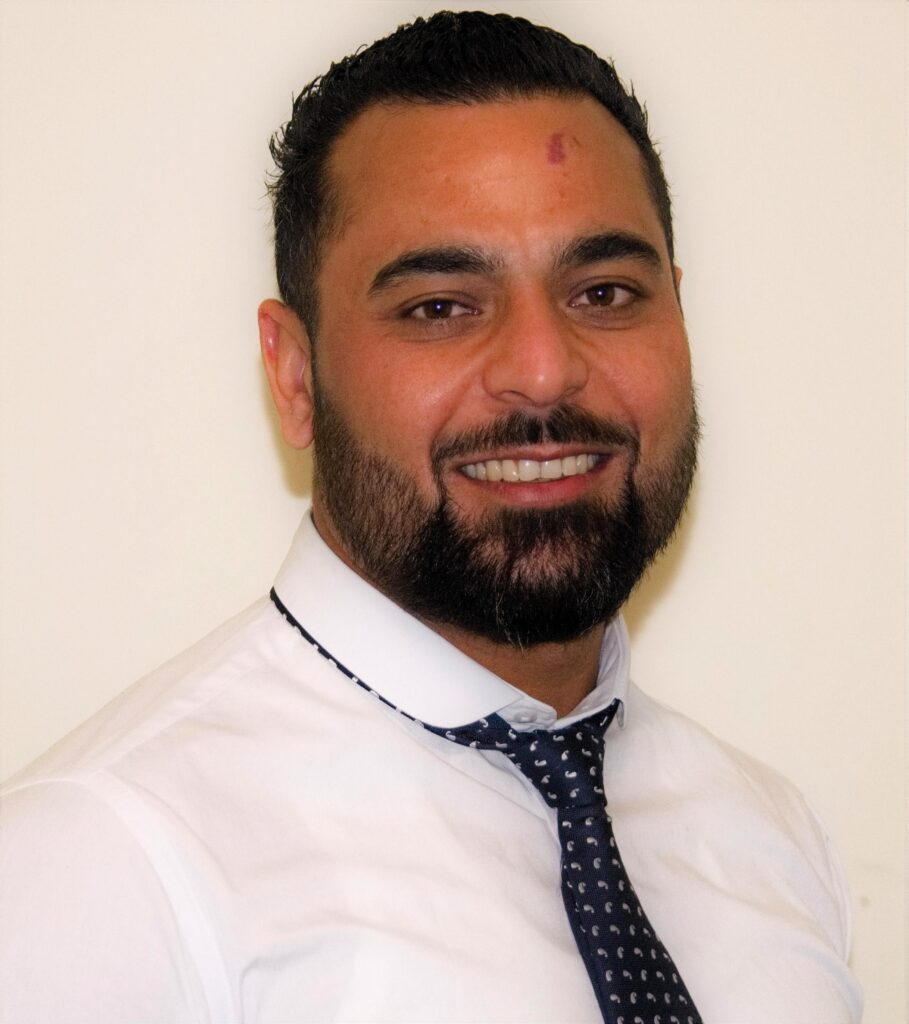
Dr Swaid Abdullah, University of Queensland (click for bio)
Dr Swaid Abdullah is a veterinarian and Senior Lecturer in Veterinary Parasitology and Ecology at the University of Queensland School of Veterinary Science. His work spans the ecology, epidemiology, and control of parasites including gastrointestinal worms, vector‑borne pathogens, ticks, and flies. He has a strong focus on drug resistance and sustainable parasite management. Swaid’s research integrates molecular diagnostics, field epidemiology, and One Health approaches to better understand and mitigate parasitic diseases in animals and humans.
As an investigator with the UQ Australian Infectious Diseases (AID) Research Centre, he leads impactful research on parasites of animals and humans and promotes collaboration between biologists, veterinary and medical researchers.
A passionate educator, Swaid is committed to strengthening parasitology training and student engagement. He serves as the Education Committee Convenor for the Australian Society for Parasitology, where he leads national efforts to enhance learning, outreach, and workforce development in the discipline. At UQ, he is the Director of the Engagement Committee for the School of Veterinary Science, helping drive strategic partnerships, community engagement, and industry collaboration.
The Conference Scientific and Organising Committee are Ala Tabor (UQ), Deepani Fernando (QIMR Berghofer), Jacinta Macdonald (Griffith), Darren Gray (QIMRB), and Nick Smith (ASP).
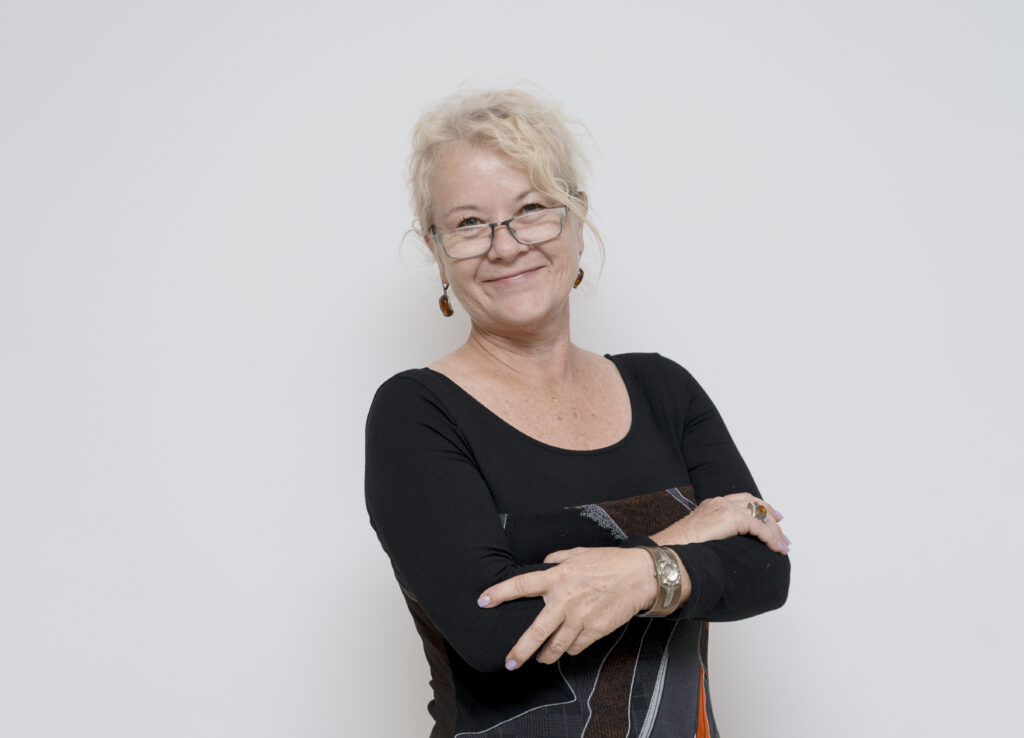
Prof Ala Tabor, University of Queensland (click for bio)
Prof Ala Tabor is a molecular biologist whose career has focussed on livestock vaccines and diagnostics for ectoparasites and venereal diseases using omics tools. During her part time PhD (1989-1995) at UQ while working for the Tropical Health Program (Faculty of Medicine) she transitioned to the Queensland Department of Primary Industries in 1991 prior to joining UQ again at the inaugural Queensland Alliance for Agriculture & Food Innovation in 2010. Ala has held >$20m in grants, published >120 manuscripts, and >5 patents for diagnostic assays and animal vaccines. She has also held global advisory roles to the UN’s FAO and World Organisation for Animal Health. Ala has been a member of ASP since 1995.
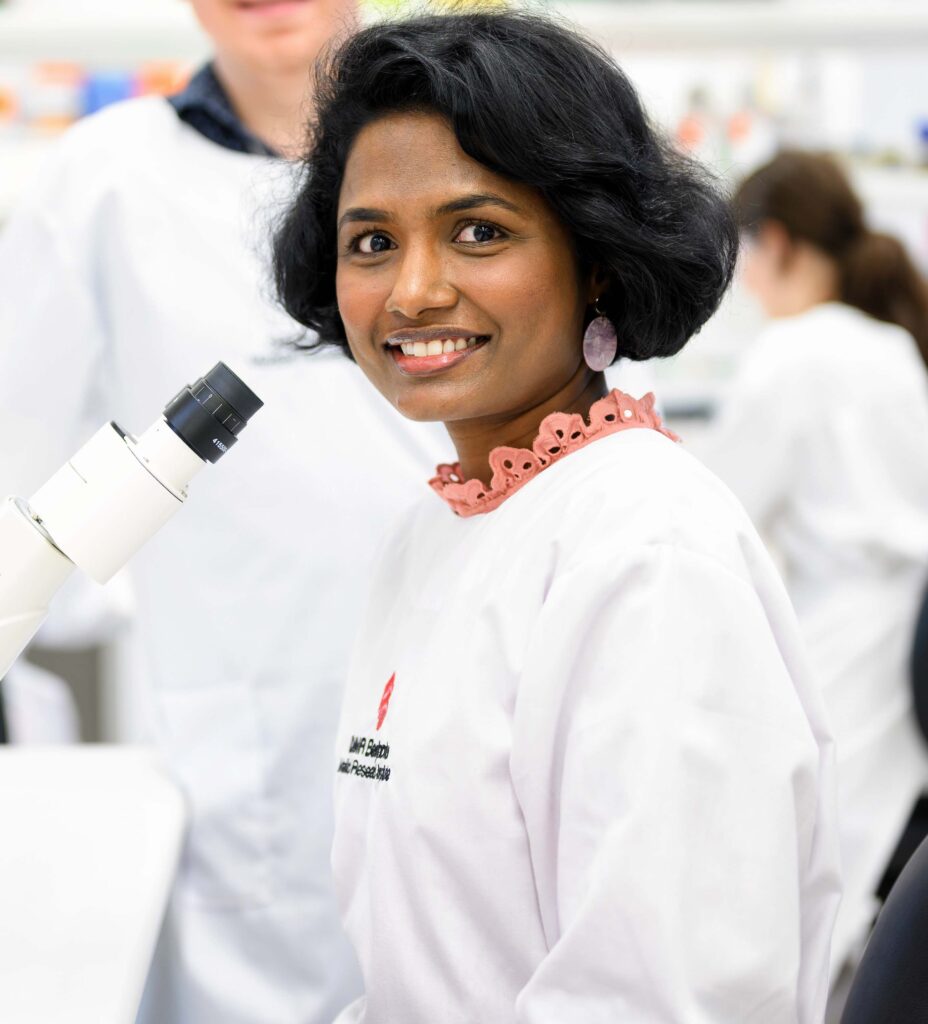
Dr Deepani Fernando, QIMR Berghofer (click for bio)
Dr Deepani Fernando is a Senior Postdoctoral Researcher at QIMR Berghofer with expertise in molecular parasitology. She holds a Bachelor of Veterinary Science (Hons. I) and completed her PhD at QIMR Berghofer and The University of Queensland. Her research focuses on the development of point-of-care diagnostics, novel therapeutics, and advancing the understanding of the pathophysiology of the scabies parasite. She has a strong interest in translational research, bridging laboratory discoveries with practical clinical and public health applications.
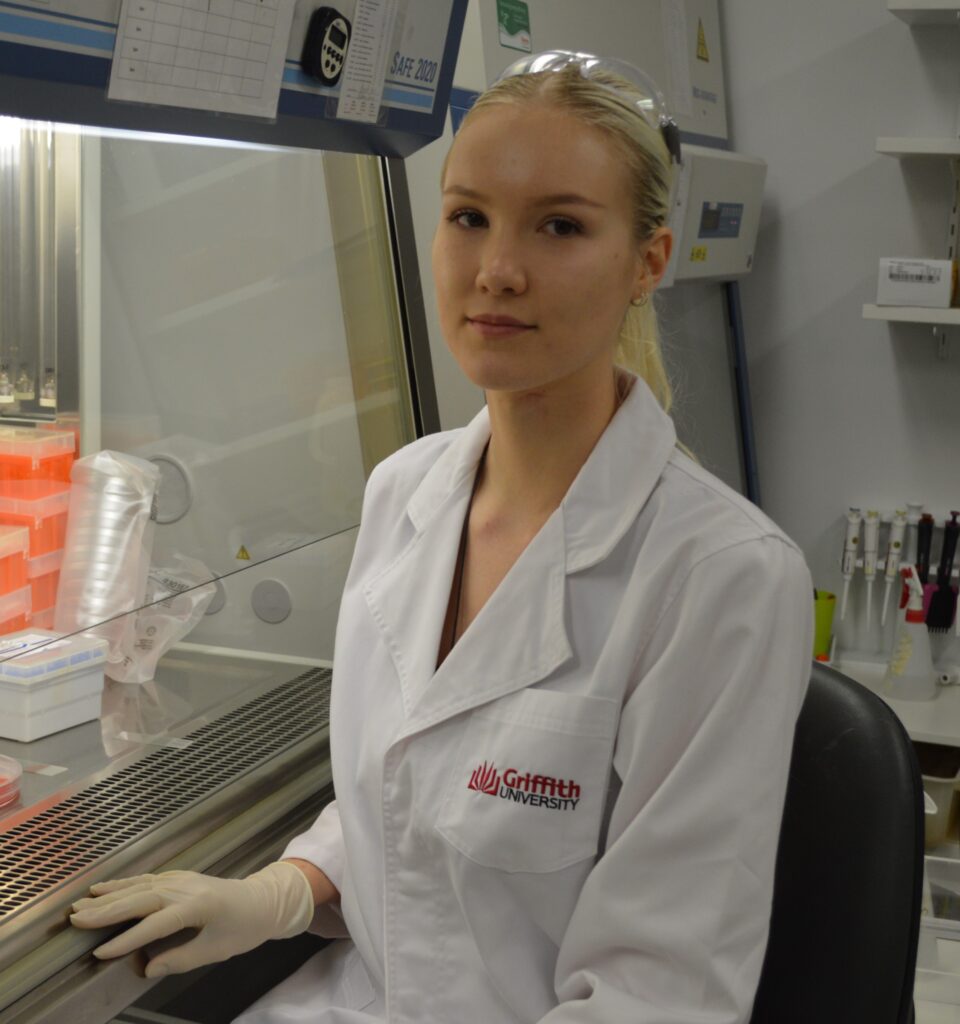
Jacinta Macdonald, Griffith University (click for bio)
Jacinta is a Research Fellow in Professor Kathy Andrews’ Tropical Parasitology research group at Griffith University’s Institute for Biomedicine and Glycomics (IBG), Nathan campus. She completed her undergraduate and PhD in Andrews group identifying and investigating new natural product compounds that have antimalarial activity. Jacinta now continues as a Research Fellow in malaria parasite biology and drug discovery, further developing her particular expertise and interest in genetic manipulation and understanding the mechanism of action of antiplasmodial hits.

Professor Darren Gray, QIMR Berghofer (click for bio)
Professor Darren Gray, an infectious disease epidemiologist, is Program Director, Population Health Program at QIMR Berghofer.
He is the former Acting Director of the National Centre for Epidemiology & Population Health/Research School of Population Health and Head of the Department of Global Health at the Australian National University.
He has been on a rapidly increasing research and leadership trajectory becoming Professor, Head of Department and Deputy Head of School within 10 years of completing his PhD, and then Head of School. He has also held 3 consecutive research fellowships (including a Griffith University Postdoc, ARC DECRA and an NHMRC CDF).
Professor Gray completed a Bachelor of Science (Microbiology) in 1999; Master of Science (Tropical Infectious Diseases) in 2001; Graduate Certificate in Public Health (Tropical Health) in 2003; and was awarded in 2008 a PhD (Population Health: Tropical Health) from the University of Queensland, Australia.
Professor Gray currently leads a research program that investigates the transmission and control of tropical infectious diseases and diseases of poverty, including some of the most prevalent and important infections that cause much suffering and economic loss worldwide. He aims to develop new public health interventions against these diseases that will lead to their sustainable control and eventual elimination.
Professor Gray has worked in tropical health since 2004 particularly Southeast Asia (China, Philippines, Indonesia, Myanmar, Vietnam, Thailand, Cambodia, Lao PDR, PNG, Bhutan, Fiji and Timor-Leste).
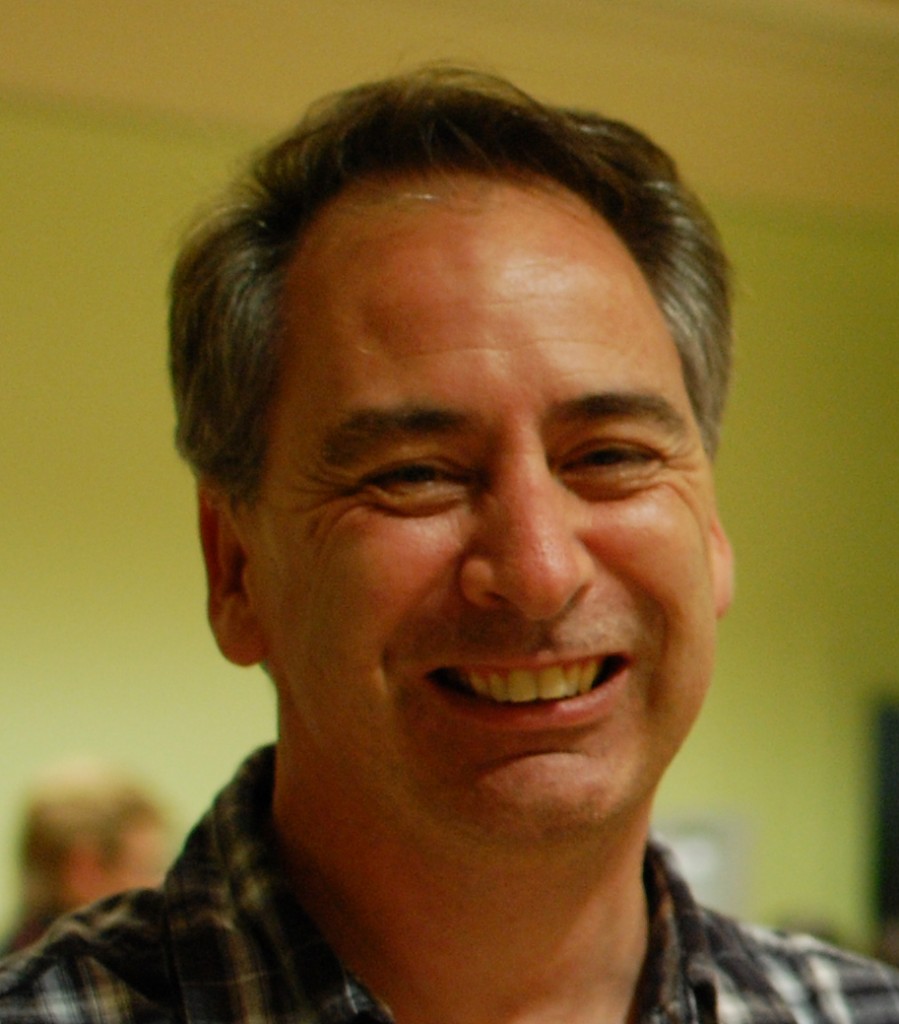
Nick Smith, ASP Network for Parasitology
Nick has organised more conferences for the Australian Society for Parasitology than you can count, let’s just say he has been involved in conference organisation since the 1990s. This is the second conference Nick has organised in the Gold Coast and he is looking forward to seeing lots of new and familiar faces!
Grace Reeves (UQ) – Student Volunteer and Aboriginal cultural activities coordinator
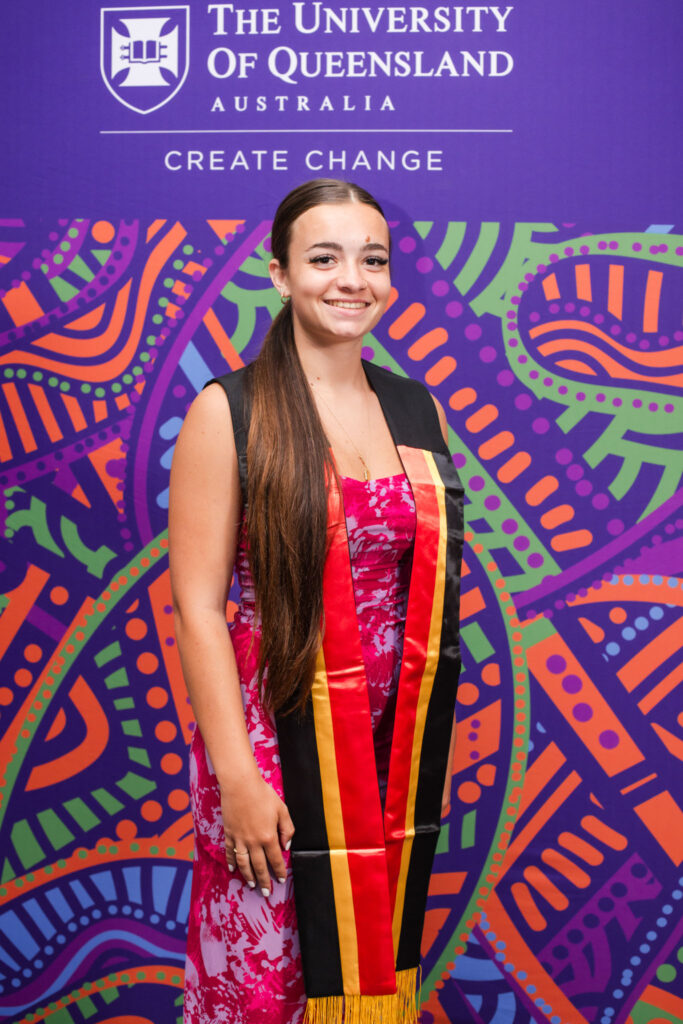
Grace Reeves, The University of Queensland
Grace Reeves is a proud Aboriginal woman from Wiradjuri Country and a second-year PhD student at the University of Queensland, Gatton campus. Her research focuses on vector-borne diseases in invasive animals in Queensland, Australia, with a One Health perspective, exploring the connections between human, animal, and environmental health. She also aims to incorporate Indigenous knowledge into parasitology and contribute to Indigenous communities, both in Australia and globally, ensuring research benefits and respects traditional knowledge.
Dr Maddy Rogers (they/them) (Griffith Uni) – Accessibility coordinator

Dr Maddy Rogers, Griffith University (they/them)
Dr Maddy Rogers (they/them) is an earlier career researcher with extensive lived experience navigating the academic field as a neurodivergent disabled person. Dr Rogers completed their doctoral research on Schistosoma mansoni egg-derived extracellular particles at QIMR Berghofer and the University of Queensland in 2024. During their time at QIMR Berghofer and UQ, Maddy worked closely with the inclusivity, diversity, equity, and allyship (IDEA) committee to advocate for and increase awareness of disabled, neurodivergent, and LGBTQIA+ students and ECRs. In their current position at Griffith Institute of Biomedicine and Glycomics, Dr Rogers continues to push for changes to ableist policies, improved support programs, and neuro-affirming occupational infrastructure for disabled and neurodivergent students and ECRs. Maddy is excited to be consulting with ASP to ensure the conference accommodates the physical and sensory occupational needs of all attendees. If at any time during the conference, you require support of any kind, please feel free to find Maddy (they are easy to find due to having pink hair!) or email them (maddy.rogers@griffith.edu.au).
Conference Coordinator: Lisa Jones conference@parasite.org.au

Lisa Jones, ASP
Lisa has had the pleasure of organising conferences for the Australian Society for Parasitology since 2006. This is the second time she’s organised one for the Gold Coast and it’s going to be amazing! “Can’t wait to see you all there!” she says.
A big thanks to the following Student Volunteers who have already helped to develop the cultural program, and will also be running the registration desk, loading talks, helping with AV and organising student events at this conference:
Grace Reeves (UQ) – Student Volunteer and Aboriginal cultural activities coordinator
Madeleine Rogers, Griffith University – Accessibility Coordinator if at any time during the conference, you require support of any kind, please feel free to find Maddy, they are easy to find due to having pink hair! or email them maddy.rogers(at)griffith.edu.au
Ines Marcal Antunes, Griffith University
Simone Sleep, AICIM
Emmanuel Tabilin, QIMR Berghofer
Skye Robertson, The University of Queensland
John Ategeka, Griffith University
Zhetao Zhang, The Queensland Alliance for Agriculture and Food Innovation (QAAFI)
Chika Zumuk, QIMR Berghofer
Sandani Athukoralage, The University of Queensland
Callum Lowe, QIMR Berghofer
Hannah Smith, Griffith University
Rohith Kutty, Griffith University
Tu Nguyen, The University of Queensland
Sara Taylor, QIMR Berghofer
Rebecca Farnell, Federation University Australia
Tanya King, Federation University Australia
Brenna Daily, The University of Queensland
Connor McHugh, James Cook University
Social Media: Beatrice Harris, The University of Sydney and Rosemary Presburger, Otago University