
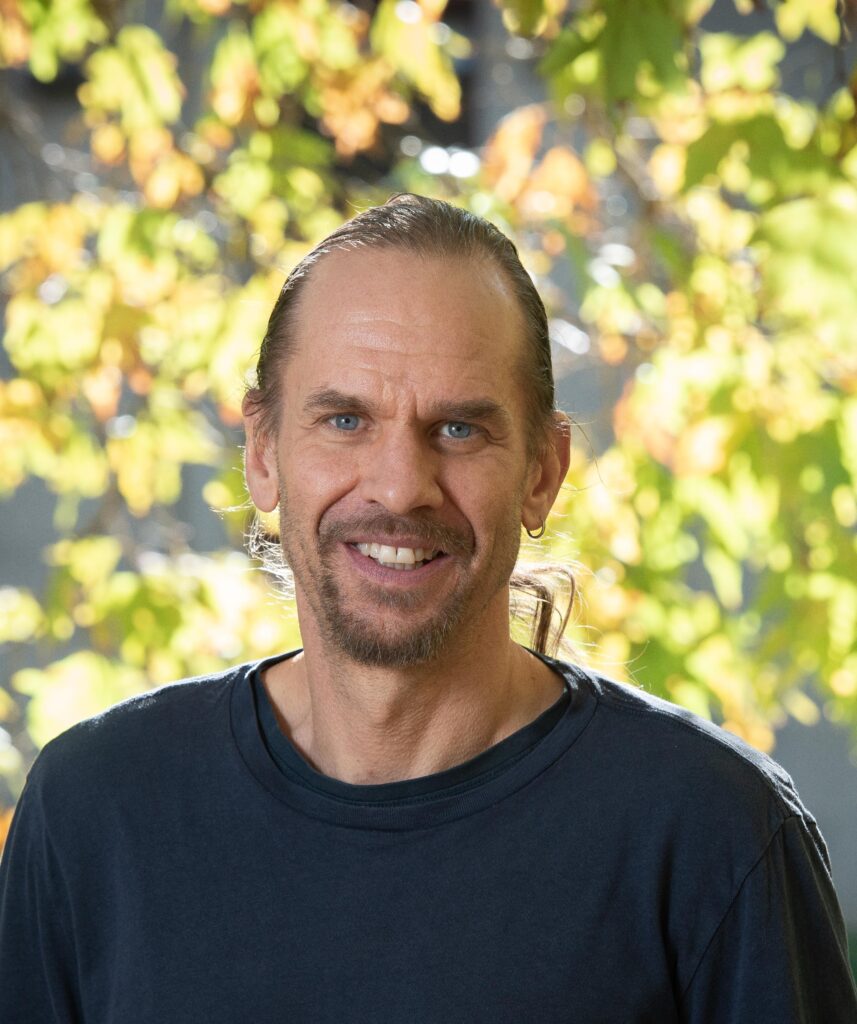
Dr. Christopher Dean Goodman
The University of Melbourne
Plenary Speaker
Elsevier Plenary Lecture Series
International Journal for Parasitology (IJP) Invited Lecturer
biography
Christopher Dean Goodman is a Senior Research Fellow at the University of Melbourne where he studies the genetics and cell biology of malaria parasites.
Dr Goodman began scientific research later in his career, after completing a degree in Political Science and sailing on a tall ship in the North Atlantic. As an undergraduate at the University of Victoria (Canada), he researched fungal molecular biology, soil dynamics, and the ecological impacts of salmon farming before moving to Stanford University (USA) for a PhD in plant molecular genetics and cell biology. His PhD produced three foundational papers in the synthesis and cellular trafficking of pigments determining the colour and u.v. sensitivity of ornamental and crop plants.
After moving to the University of Melbourne, he started an ongoing, 23-year collaboration with Professor Geoff McFadden studying apicomplexan parasites. His published work spans drug development and resistance, organellar biology, parasite sexual development, malaria genetics, and mosquito-parasite interactions. His current research programme applies insights into the basic biology of mosquito stage parasites, the evolution of drug resistance, and parasite population genetics to develop new transmission-blocking strategies aimed at advancing malaria eradication.
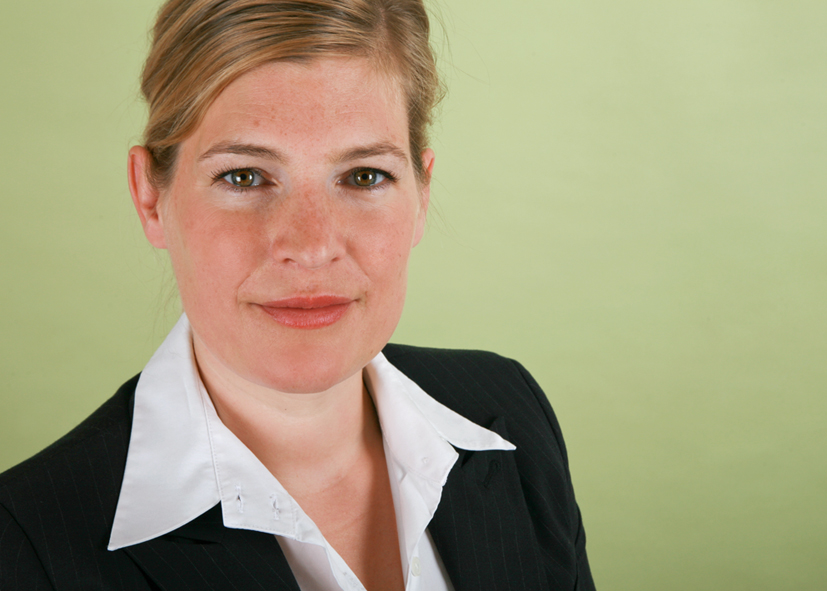
Dr. Kristina Lehnert
Institute for Terrestrial and Aquatic Wildlife Research, University of Veterinary Medicine Hannover, Germany
Plenary Speaker
Elsevier Plenary Lecture Series
International Journal for Parasitology: Parasites and Wildlife (IJP:PAW) Invited Lecturer
biography
Dr. habil. Kristina Lehnert is a researcher at the Institute for Terrestrial and Aquatic Wildlife Research, University of Veterinary Medicine Hannover, Germany. She investigates how parasite diversity, transmission pathways, and health impacts are shaped by environmental stress and ecosystem change in vulnerable aquatic wildlife, integrating molecular approaches and minimally invasive sampling to assess marine mammal ecology in a One Health context. Her work highlights parasites as integral components of biodiversity and sensitive indicators of ecosystem function, contributing to conservation and management strategies for marine top predators.
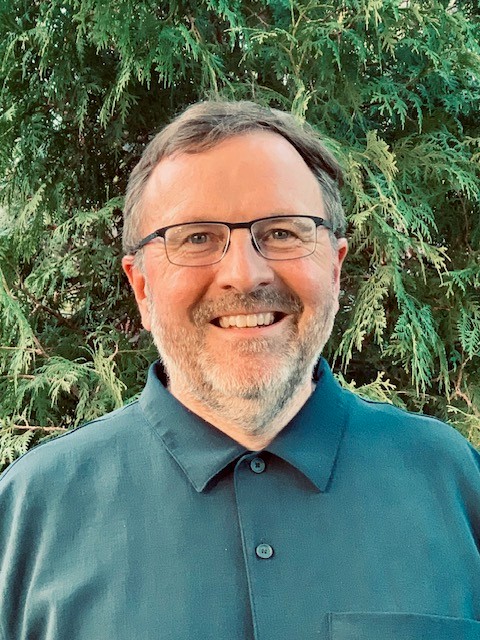
Professor Jonathan Marchant
Medical College of Wisconsin
Plenary Speaker
Elsevier Plenary Lecture Series
International Journal for Parasitology: Drugs and Drug Resistance (IJP:DDR) Invited Lecturer
biography
Jonathan is a Professor in the Department of Cell Biology, Neurobiology and Anatomy at the Medical College of Wisconsin (MCW). He received his undergraduate and PhD training at Cambridge University, before doing post-doctoral research at University of California Irvine, all in the field of signal transduction. He was faculty in the Department of Pharmacology at the University of Minnesota for 15 years, before joining MCW in 2017 as the Chair of Cell Biology. Our lab works on identification of new targets and treatments for infectious diseases caused by parasitic flatworms. A key interest is understanding ion channel signaling pathways that guide physiological progress throughout the schistosome life cycle.

Dr Catherine Gordon
QIMR Berghofer Medical Research Institute
Symposium Speaker
QIMR Berghofer, Centre for Tropical Health & Emerging Diseases Invited Lecturer
biography
Dr Catherine Gordon is a molecular parasitologist and Team Head of the Applied Tropical and Molecular Parasitology Laboratory at QIMR Berghofer Medical Research Institute in Brisbane, Australia. She also lectures in parasitology at The University of Queensland and the Queensland University of Technology. Dr Gordon completed a Bachelor of Science in Microbiology and Biomedicine with first class honours in Marine Parasitology, followed by a PhD in Public Health focused on Molecular Parasitology at The University of Queensland.
Her research focuses on the diagnosis, epidemiology, and transmission dynamics of neglected tropical diseases, with a focus on schistosomiasis, strongyloidiasis, and soil-transmitted helminths. She leads a translational research program aimed at developing new molecular and point-of-care diagnostics for parasitic helminths, while also using molecular tools to better understand transmission pathways, zoonotic reservoirs, and the role of animal hosts in sustaining infection.
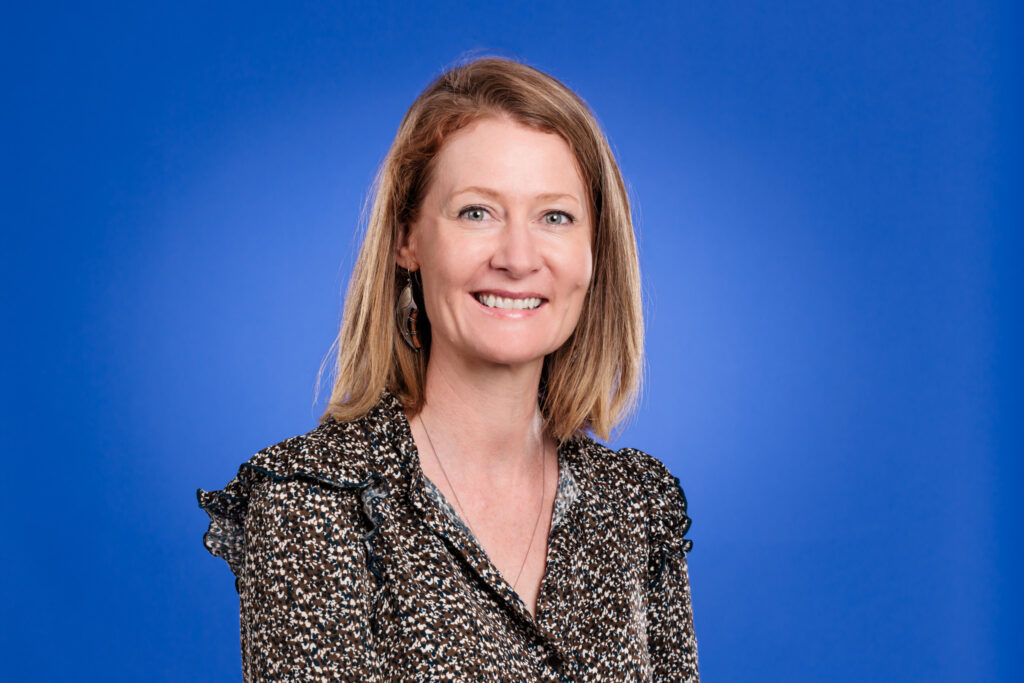
Dr. Liisa Ahlstrom
Elanco
Symposium Speaker,
Elanco Canine Parasites Invited Lecturer
biography
Dr. Liisa Ahlstrom is a Technical Services Veterinarian at Elanco Animal Health. A University of Queensland veterinary graduate with a PhD in transdermal pharmacology and a Graduate Certificate in Higher Education, Liisa’s career spans clinical practice, academia at the University of Sydney, and industry leadership. She is deeply passionate about teaching and research, with a particular focus on companion animal parasites and vector-borne diseases. Liisa is dedicated to working with her team at Elanco to improve the quality of life for pets and their companions.
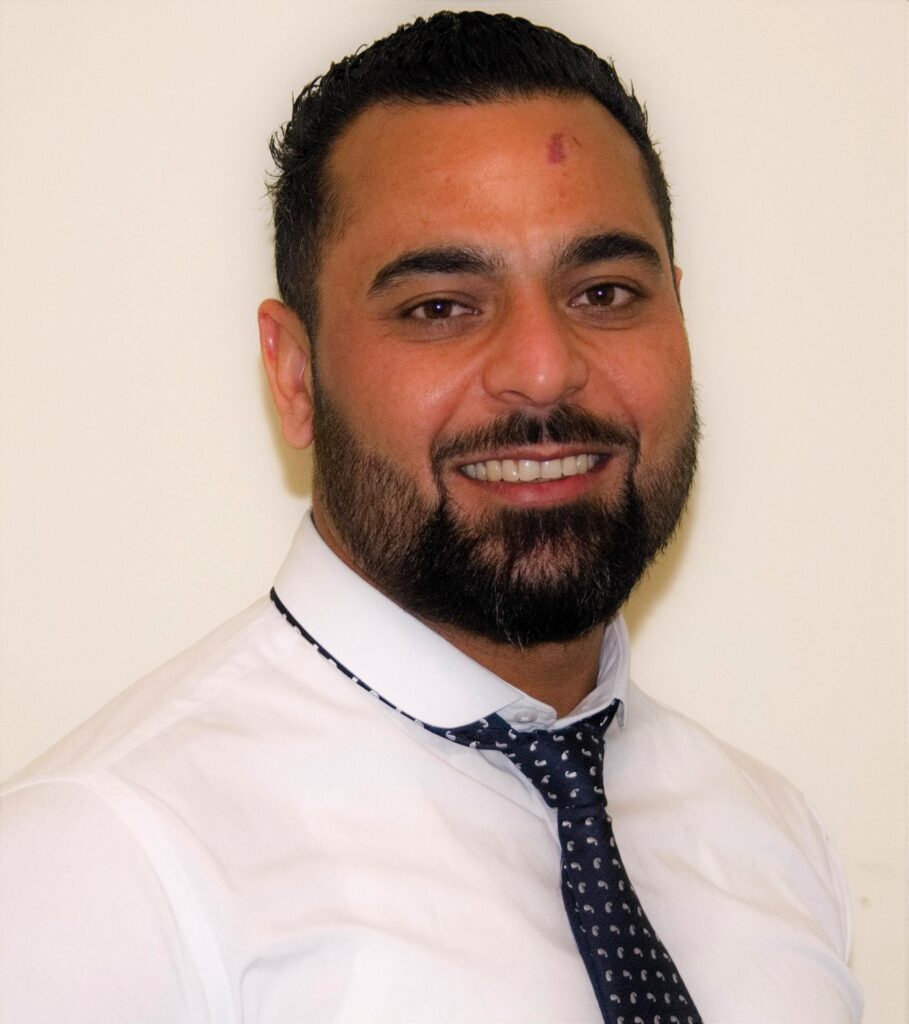
Dr Swaid Abdullah
University of Queensland
Symposium Speaker
Horses & Cows Symposium
biography
Dr Swaid Abdullah is a veterinarian and Senior Lecturer in Veterinary Parasitology and Ecology at the University of Queensland School of Veterinary Science. His work spans the ecology, epidemiology, and control of parasites including gastrointestinal worms, vector‑borne pathogens, ticks, and flies. He has a strong focus on drug resistance and sustainable parasite management. Swaid’s research integrates molecular diagnostics, field epidemiology, and One Health approaches to better understand and mitigate parasitic diseases in animals and humans.
As an investigator with the UQ Australian Infectious Diseases (AID) Research Centre, he leads impactful research on parasites of animals and humans and promotes collaboration between biologists, veterinary and medical researchers.
A passionate educator, Swaid is committed to strengthening parasitology training and student engagement. He serves as the Education Committee Convenor for the Australian Society for Parasitology, where he leads national efforts to enhance learning, outreach, and workforce development in the discipline. At UQ, he is the Director of the Engagement Committee for the School of Veterinary Science, helping drive strategic partnerships, community engagement, and industry collaboration.

Prof Katherine Andrews
Institute for Biomedicine and Glycomics, Griffith University
Symposium Speaker
Nick White Tribute Invited Lecturer
biography
Prof Katherine Andrews is a Research Leader at the Institute for Biomedicine and Glycomics at Griffith University with a research focus on malaria drug discovery and target identification and the discovery of novel vaccine adjuvants. She is the Director of the NHMRC Vaccine-ADD Centre of Research Excellence and leads an NHMRC Synergy team on adjuvant discovery for infectious disease vaccine development. She is a Fellow of the Australian Society for Parasitology, Distinguished Fellow of the Australian Association of von Humboldt Fellows and Fellow of the Queensland Academy of Arts and Sciences. As the founder and Director of That’s RAD! Science she has produced five STEM picture books that have been distributed to >14,000 children and libraries around Australia. Prof Andrews is a member of the AAMRI Research Impact Committee and is helping to build the capacity of researchers in planning, tracking and communicating the impact of their research and engagement activities through her Impact CV concept.
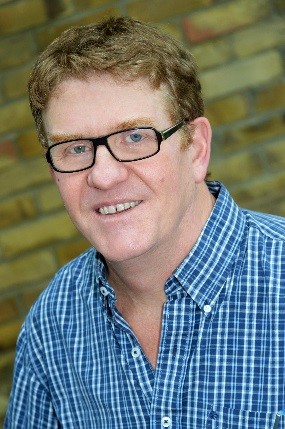
Professor Colin Sutherland
London School of Hygiene & Tropical Medicine
Symposium Speaker
Nick White Tribute Invited Lecturer
biography
Colin Sutherland is a biologist and parasitologist who joined LSHTM in January 1998 to work as a Post-Doc with Professor Geoffrey Targett on the gametocytes of Plasmodium falciparum. Colin also developed an interest in parasite drug resistance in the context of the team’s clinical studies in The Gambia from 1998 – 2002. From 2004 – 2011, Colin continued his studies of parasite drug susceptibility, and also developed new projects on molecular diagnostics for parasitology with Peter Chiodini and Spencer Polley in the Department of Clinical Parasitology at the Hospital for Tropical Diseases. This work now continues with Public Health England in the PHE Malaria Reference Laboratory, LSHTM, where Colin is HCPC-registered as a Clinical Scientist, and Deputy-Director (Science).
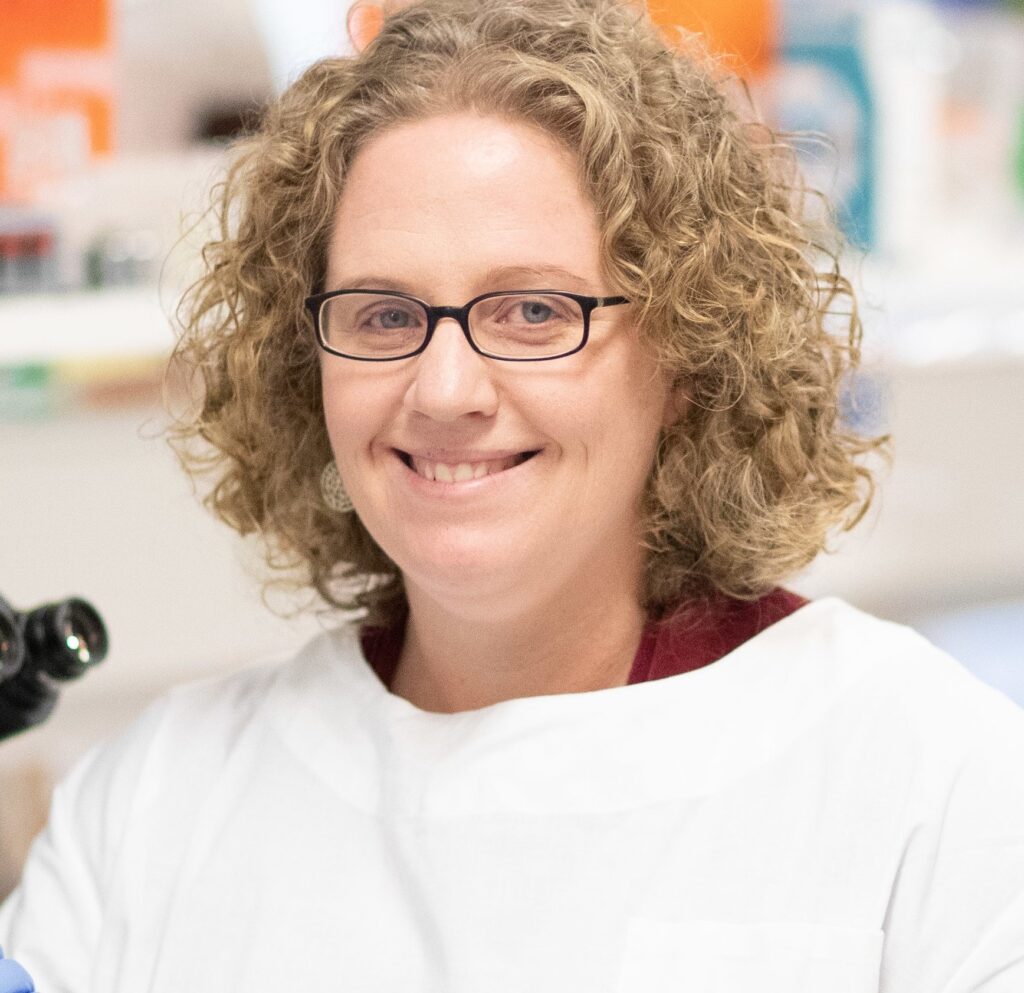
A/Prof Danielle Stanisic
Institute for Biomedicine and Glycomics, Griffith University
Symposium Speaker
Vaccines Symposium sponsored by Institute for Biomedicine and Glycomics, Griffith University, Invited Symposium Speaker
biography
A/Prof Danielle Stanisic is a Research Leader and Principal Research Fellow at the Institute for Biomedicine and Glycomics, Griffith University, where she leads the “Immunovax” research group, dedicated to vaccine development. An immunoparasitologist with more than 20 years of experience in pre-clinical/clinical malaria immunology and vaccine development, she has worked on malaria-focused projects in Brisbane, Melbourne, New York and Papua New Guinea. She currently co-leads the Malaria Vaccine Program at the Institute, with her research centred on the pre-clinical evaluation of whole-parasite blood-stage malaria vaccine candidates and their transition into clinical testing. This work involves applying pre-clinical malaria models to evaluate vaccine immunogenicity and efficacy, and developing platforms that facilitate GMP-compliant vaccine manufacture and comprehensive evaluation. Beyond malaria, she is interested in applying vaccine platforms developed for malaria to other pathogens of medical and veterinary importance, such as Babesia and Dengue virus, including the development and assessment of human and bovine babesiosis vaccines. She also co-leads a research program focused on identifying and developing novel adjuvants to improve current vaccines and facilitate development of new vaccines, for infectious diseases.
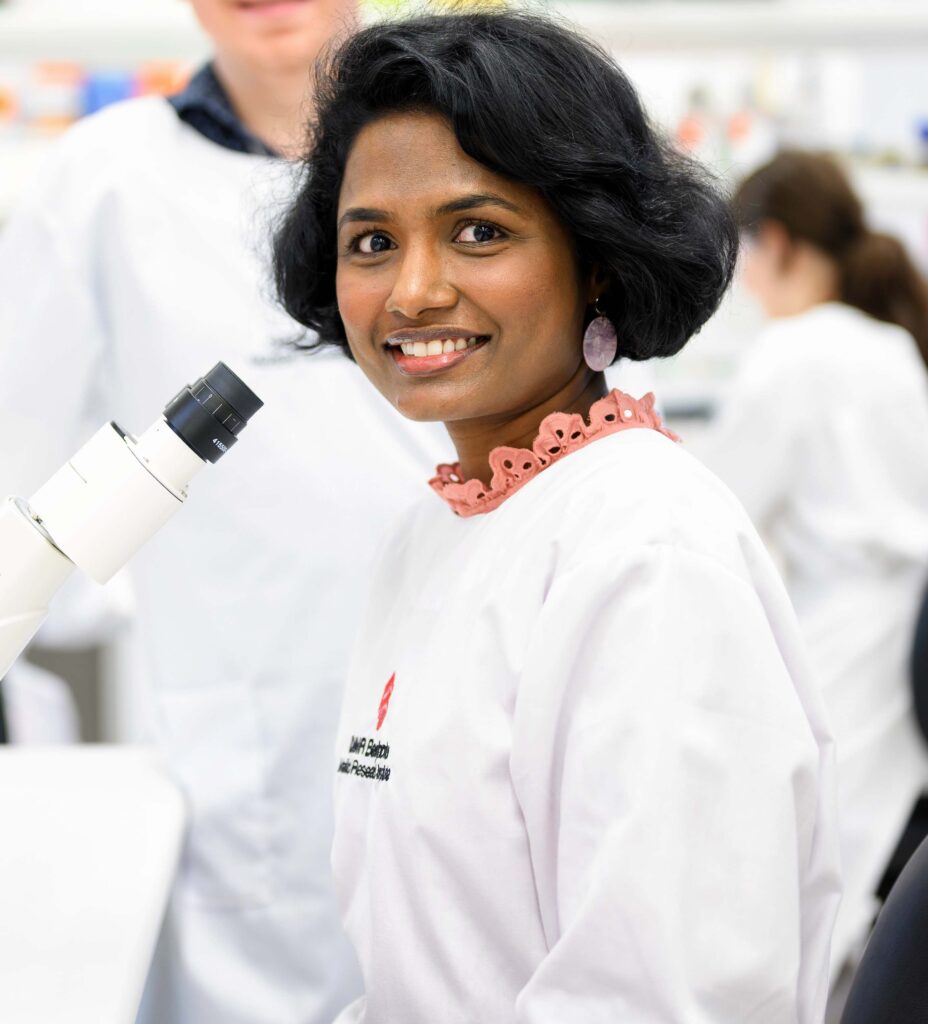
Dr Deepani Fernando
QIMR Berghofer
Symposium Speaker
Ticks, Mites, kissing bugs Invited Speaker
biography
Dr Deepani Fernando is a Senior Postdoctoral Researcher at QIMR Berghofer with expertise in molecular parasitology. She holds a Bachelor of Veterinary Science (Hons. I) and completed her PhD at QIMR Berghofer and The University of Queensland. Her research focuses on the development of point-of-care diagnostics, novel therapeutics, and advancing the understanding of the pathophysiology of the scabies parasite. She has a strong interest in translational research, bridging laboratory discoveries with practical clinical and public health applications.
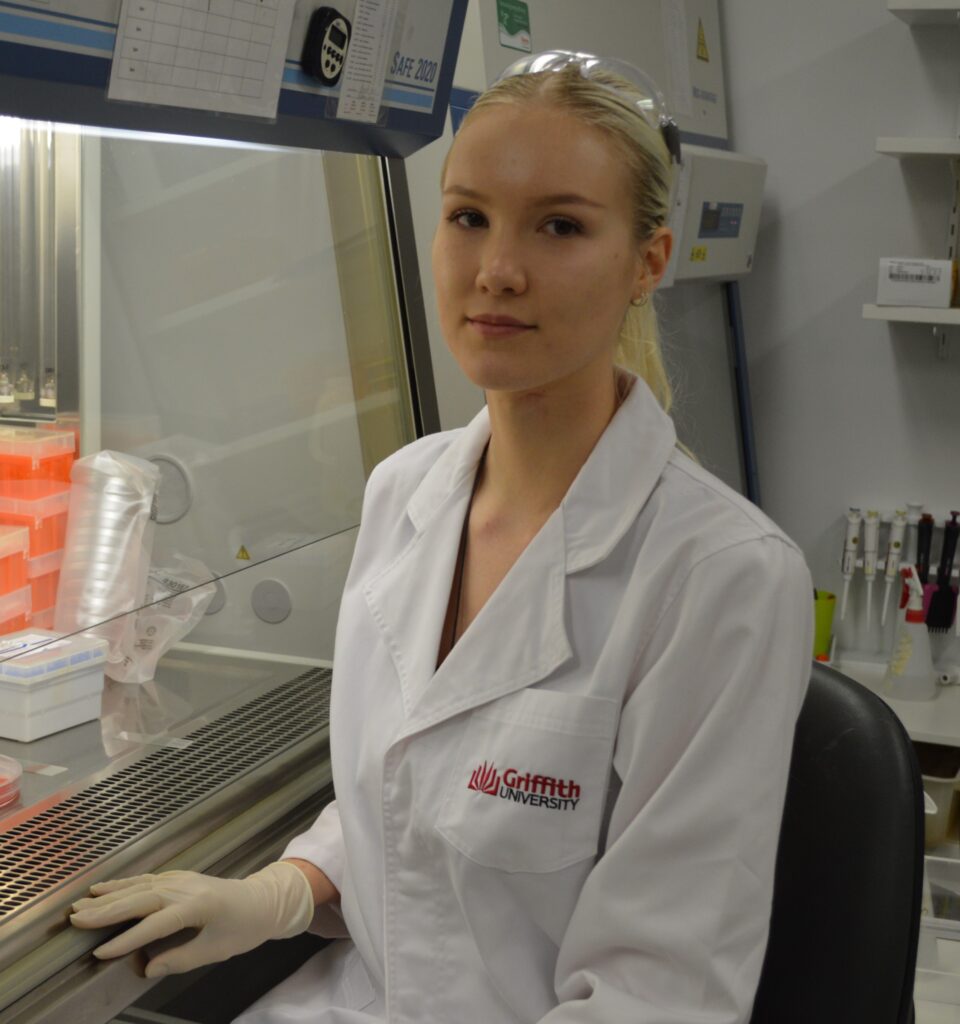
Jacinta MacDonald
Griffith University
Symposium Speaker
Drugs & Drug Resistance Symposium sponsored by Institute for Biomedicine and Glycomics, Griffith University
biography
Jacinta is a Research Fellow in Professor Kathy Andrews’ Tropical Parasitology research group at Griffith University’s Institute for Biomedicine and Glycomics (IBG), Nathan campus. She completed her undergraduate and PhD in Andrews group identifying and investigating new natural product compounds that have antimalarial activity. Jacinta now continues as a Research Fellow in malaria parasite biology and drug discovery, further developing her particular expertise and interest in genetic manipulation and understanding the mechanism of action of antiplasmodial hits.