

Join our online ASP Seminar Series Friday 16 October @1pm AEDT, featuring Melissa Carabott, RMIT presenting “Advancing Diagnostics and Monitoring for Blood Flukes in Bluefin Tuna Aquaculture” and Sarah Farrell, PhD student, The University of Melbourne presenting “Medicating mosquitoes to block parasite transmission.” with co-chairs Ben Liffner, Adelaide University and Karan Singh, WEHI.
Please register online using this link for your unique passcode to join the seminar. After registering, you will receive a confirmation email containing information about joining the meeting.
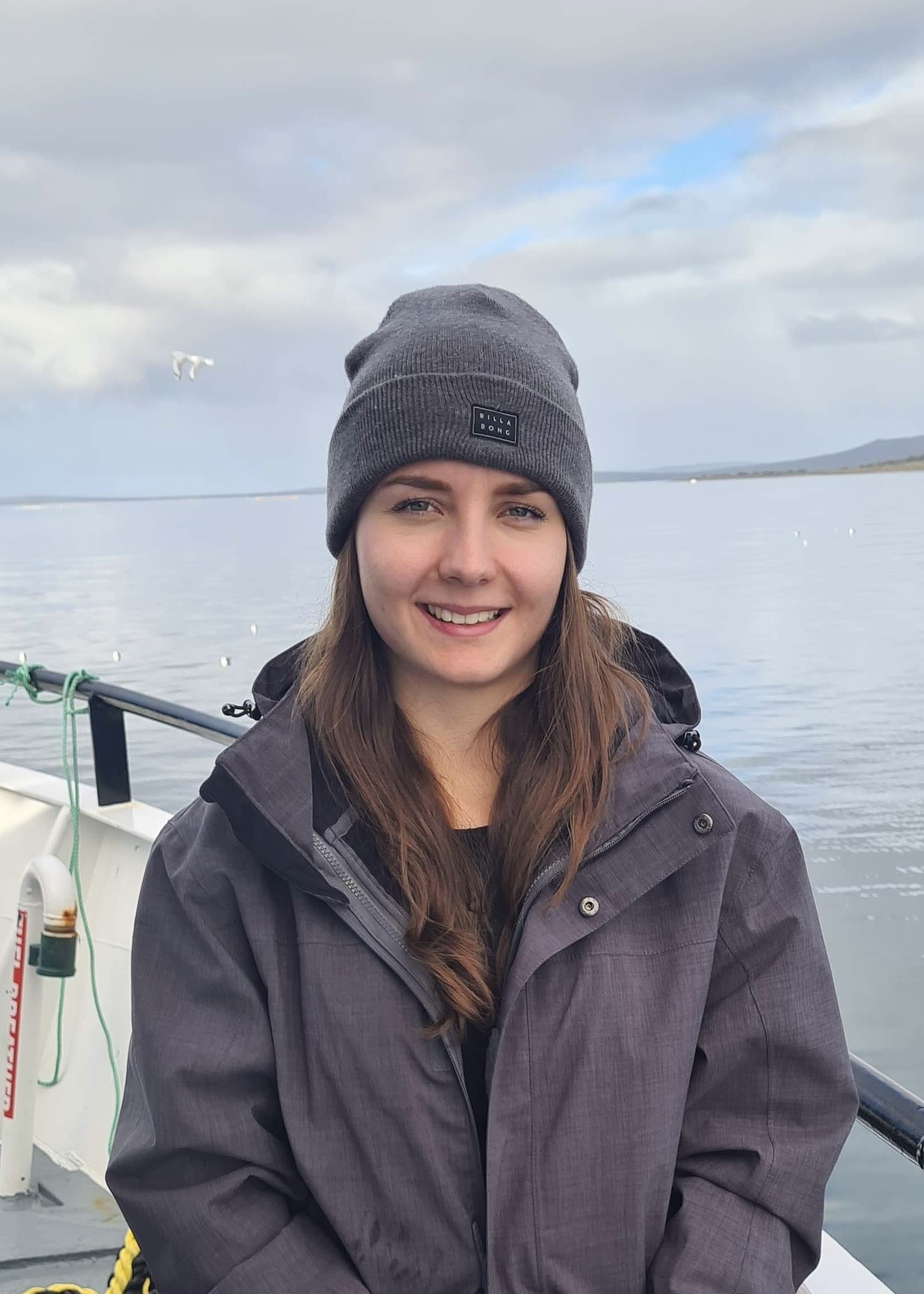 Dr Melissa Carabott completed her PhD at RMIT University, investigating diagnostic approaches to improve blood fluke monitoring in global bluefin tuna aquaculture. Her research evaluated sampling bias, assessed non-lethal sampling strategies, and designed species-specific molecular diagnostics for field use, providing updated insight into blood fluke infection dynamics in Australian and Japanese aquaculture systems.
Talk Title: Advancing Diagnostics and Monitoring for Blood Flukes in Bluefin Tuna Aquaculture
Abstract: Cardicola spp. (Trematoda: Aporocotylidae) are blood flukes that pose a major health challenge to global bluefin tuna (Thunnus spp.) aquaculture, with eggs lodging in gill vasculature causing lesions and mortality. Current diagnosis relies on microscopy or qPCR of heart and gill necropsy samples, with gill necropsy considered the gold standard. Both methods are labour-intensive, requiring laboratory access and technical expertise. This talk presents research combining trials for non-lethal sampling and rapid molecular diagnostics to detect Cardicola spp. across two bluefin tuna species. In Southern bluefin tuna (T. maccoyii), six non-lethal sampling strategies were assessed against gill necropsy, identifying gill biopsy as the most sensitive alternative, while blood and gill mucus performed poorly. To complement this, loop-mediated isothermal amplification (LAMP) assays were designed and validated for species-specific detection of C. forsteri, C. orientalis and C. opisthorchis, enabling rapid (30-minute), field-deployable results. These approaches were then applied together to farmed Pacific bluefin tuna (T. orientalis) in Japan, providing the first assessment of blood flukes in this species in over a decade and revealing differing Cardicola distributions across farm localities. Together, these findings support more accessible, non-lethal diagnostic strategies for blood fluke monitoring in bluefin tuna aquaculture globally.
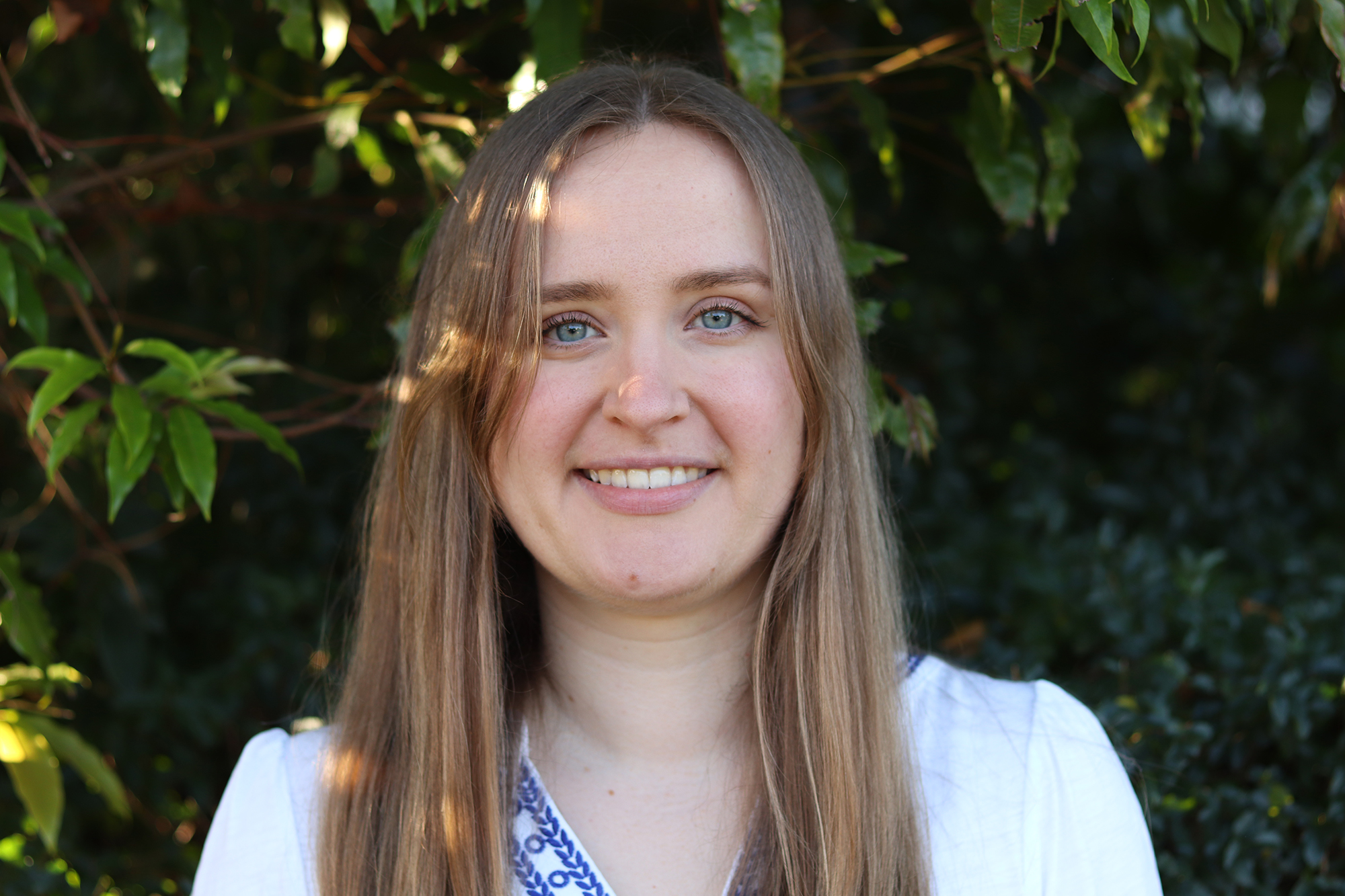 Sarah Farrell is a second-year PhD student in Geoff McFadden’s malaria research lab at the University of Melbourne. She has a keen interest in researching new strategies to control the spread of malaria by targeting the parasite inside the mosquito host.
Talk Title: Medicating mosquitoes to block parasite transmission.
Abstract: A decade-long decline in malaria cases has plateaued, primarily due to parasite drug resistance and mosquito resistance to insecticides. We are exploring a novel strategy to control the spread of malaria by incorporating antimalarial drugs into mosquito sugar baits, thus targeting the parasites inside the insect host. This strategy could reduce the risk of resistance emerging because a small population of parasites within the mosquito is subject to selection. Using a sugar feeding screen, we have identified a key drug that is able to completely block parasite development when ingested by mosquitoes. This compound has further demonstrated promising results under a range of feeding conditions that are important for field application of this strategy, including verification of long-term drug stability. Distribution of drugged sugar baits to households in malaria endemic regions has the potential to provide crucial protection from an infectious mosquito bite and, thereby, reduce the spread of malaria.
Our ASP Online Seminar Series image is created by Thorey Jonsdottir.